Doomsday prepping has shifted from the fringes of survivalism to a mainstream focus on preparedness. As cataclysmic events like natural disasters and global pandemics become more than just theoretical threats, the need for a comprehensive emergency plan is paramount. For the serious prepper, an onsite mobile storage unit can be the linchpin of their survival strategy, providing security, organization, and peace of mind.
Understanding Doomsday Prepping
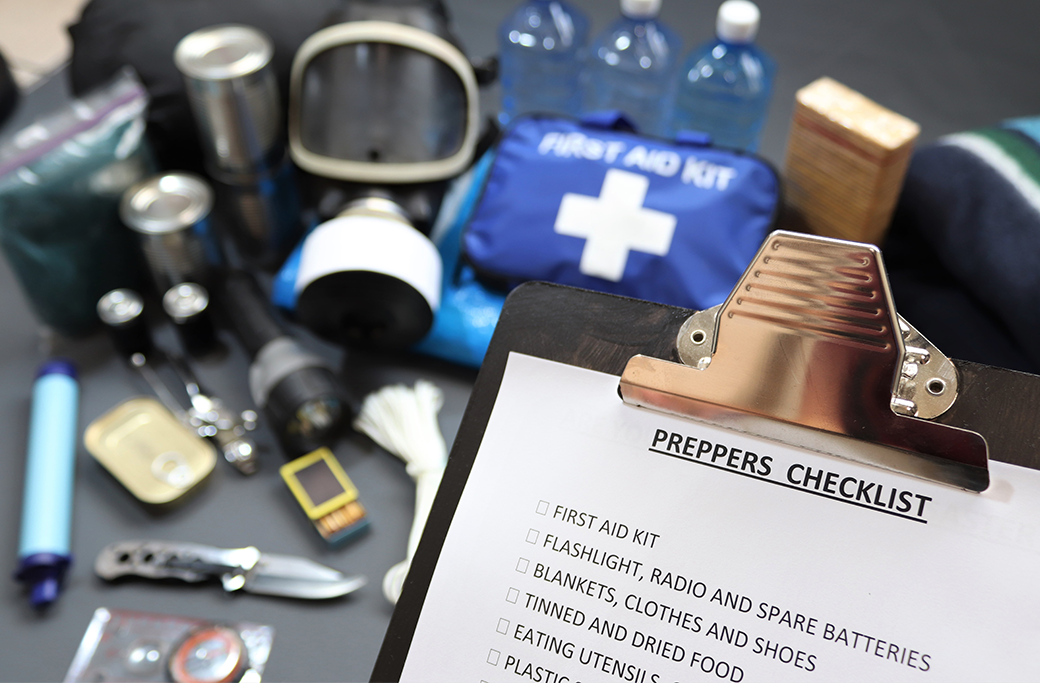
Before diving into the logistics of mobile storage, it’s important to appreciate the philosophy behind doomsday prepping. At its core, prepping is about self-sufficiency and the proactive gathering of resources to cope with a chaotic future. Prepping is fundamentally about planning for the worst case scenario, preparing for potential disasters, both natural and man-made, that could threaten personal safety and disrupt social order. The motivations can range from an underlying distrust of societal stability to a simple prudential perspective. Preppers aren’t the doomsayers often painted by popular media; rather, they are forward-thinkers who believe that readiness is its own form of insurance. The appeal of prepping is multi-faceted, often reflecting deeply held beliefs about personal responsibility and independence. The influence of television shows and popular culture, such as Doomsday Preppers, has also played a significant role in bringing survivalist strategies and lifestyles into the mainstream. The Boy Scouts of America, with their motto of ‘be prepared,’ have long promoted principles that align closely with survivalist values. In a way, it’s an investment in the future, aiming to ensure that no matter what happens, one’s family and community are not left vulnerable. The myth of the yeoman frontiersperson, taking individual responsibility for any catastrophe, is baked into the bunkerised life of the prepping American, reflecting a broader US tradition of urging citizens towards self-defence and self-sufficiency in the face of ideological and material threats. With this in mind, let’s examine how an onsite mobile storage unit aligns with the principles and practicalities of doomsday preparation.
Mobile Storage Advantage
When it comes to emergency storage, mobile units have a host of benefits that make them an attractive solution for preppers. Advantages include:
Convenience and Accessibility
The convenience of having a storage unit on your property, ready to load and unload at a moment’s notice, cannot be overstated. No longer do preppers need to maintain an elaborate storage system in their home, which can be restrictive, cluttered, and difficult to manage. With an onsite mobile unit, you can transport supplies directly from your door, saving time and energy that can be better spent elsewhere.
Security and Durability
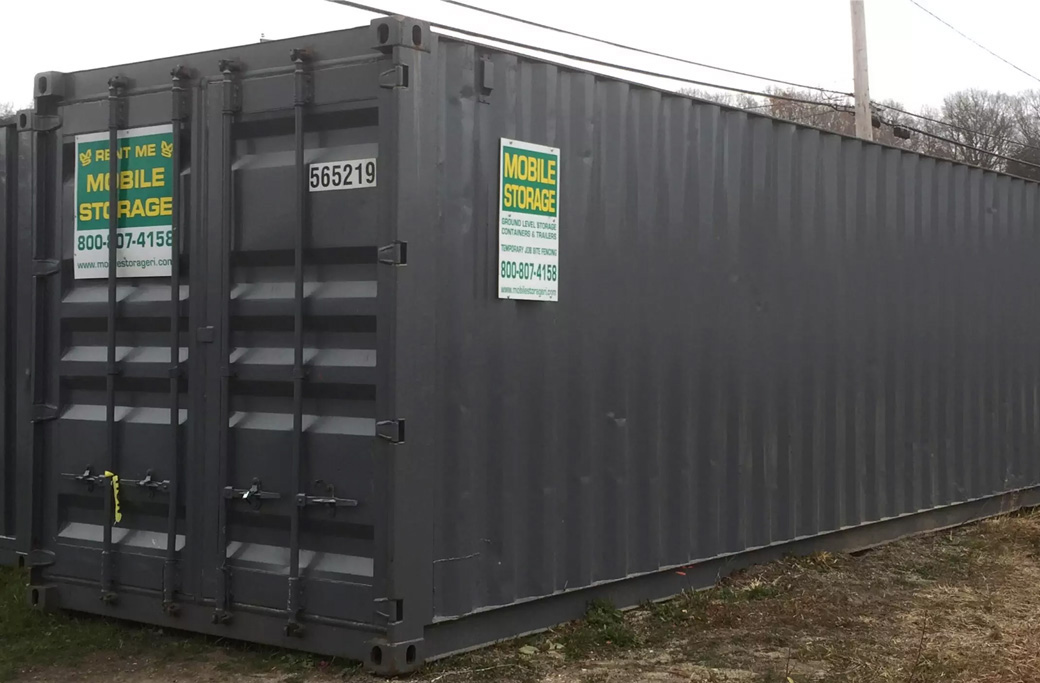
Mobile storage units offer a significant layer of security. These units are designed to withstand harsh conditions, keeping your supplies safe from the elements and, importantly, from potential thieves or looters. They are built with rugged materials, often weather-proof and pest-resistant, guaranteeing that your precious provisions will remain intact until absolutely needed.
Customization and Organization
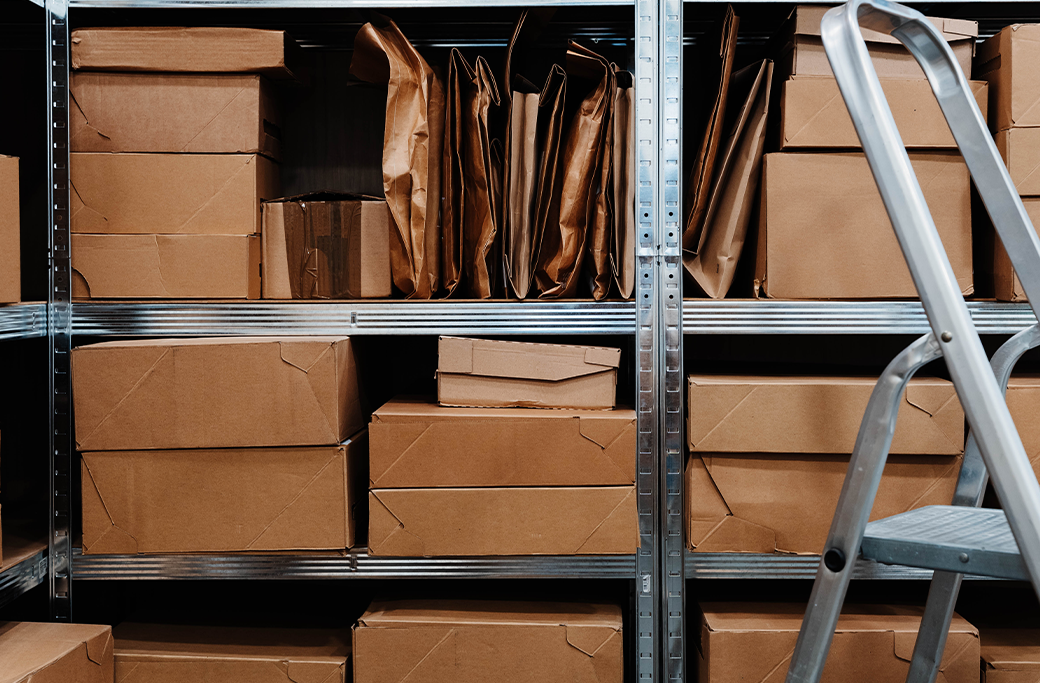
One of the keys to effective prepping is organization. Mobile storage units can be customized with shelving, hanging storage, and other organizational systems. Inside, everything has its place, which is crucial for quick and efficient access during an emergency. The ability to tailor the unit to your specific needs ensures that no space is wasted and that you can keep an accurate inventory of your resources.
Stocking Your Storage: Essential Supplies
Embarking on your prepping journey is a proactive step toward resilience and self-sufficiency. It’s important to begin prepping early by assembling essential supplies and creating a comprehensive plan.
What you store in your mobile unit is, of course, the crux of the matter. Stockpiling supplies is a cornerstone of doomsday preparation, and every prepper should prioritize building an emergency kit and well-planned bug out bags to ensure quick, safe escape and survival during emergencies. Here’s a breakdown of the key categories of supplies that every doomsday prepper should consider.
Remember, stockpiling supplies can range from basic survival kits to entire bunkers, depending on your individual needs and risk tolerance.
Food and Water Storage
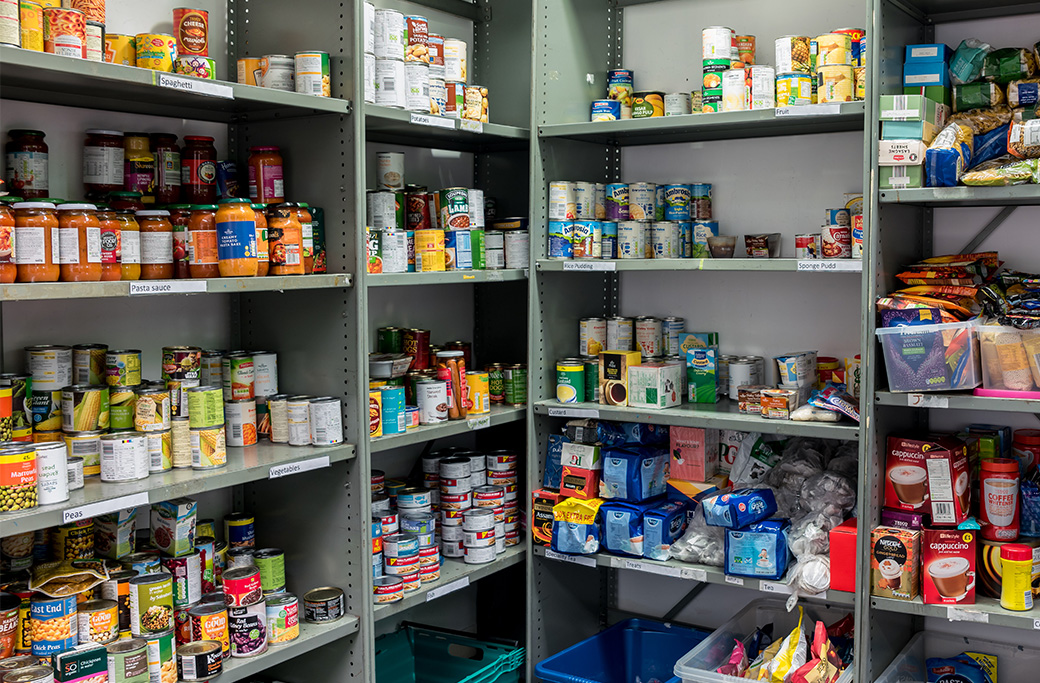
Maintaining an emergency food supply is essential for doomsday preparation. Stock non-perishable food items, such as canned food, that require no refrigeration or cooking, with a supply recommended for at least two weeks. Growing your own food by planting a garden can further enhance long-term self-sufficiency and reduce reliance on disrupted supply chains. At least one gallon of water per person per day is recommended for both hydration and sanitation. Be sure to include water purification methods, such as filters or purification tablets, in your supplies for long-term security.
Medical Supplies and First Aid Kits
A well-stocked first aid kit is essential for treating injuries during emergencies and should be a top priority in any doomsday preparation plan. The Red Cross provides reputable guidance on assembling a comprehensive aid kit, ensuring you have the right first aid supplies for a variety of situations. Your aid kit should include basic items such as bandages, antiseptics, and a supply of prescription medications, as well as trauma supplies to handle more serious injuries. Including a range of aid supplies and first aid supplies will help you respond effectively to both minor and major medical needs. Gather these medical supplies, personalized to the needs of your family, along with hygiene products.
Survival Gear and Tools
Survival tools are the backbone of your doomsday kit. Having the right tools is essential for handling emergencies and daily survival tasks with confidence. Essential tools for emergencies may include a multi-tool, duct tape, and a whistle for signaling help. Fire starting skills are necessary for warmth and cooking during emergencies, and these skills can be developed through proper training. These can include everything from multi-tools and firestarting materials to hunting equipment and protective gear. Personal protection and self defense are essential components of survival gear, helping to prevent physical harm during crises. Survivalists often acquire first aid training, self-defense training, and improvisation skills. Acquire high-quality items and ensure that you and your family are trained in their use.
Communication Devices
Staying informed and connected is vital. Communication is fundamental for guaranteeing public security during a crisis, as it helps you stay informed and connected with others. Essential emergency communication devices include a battery-powered or hand-crank NOAA Weather Radio, a cell phone, and having an out-of-state contact person to relay information if local lines are down. A mix of communication methods such as radios, cell phones, and possibly even satellite phones can keep you in touch with the outside world or, at the very least, with members of your survival group.
Shelter and Bedding
Even if your home is your primary shelter, it’s important to have a backup. Tents, sleeping bags, and other portable shelter options should be included in your mobile storage, along with bedding that can provide comfort and warmth in any environment.
Prepper’s Container: Types and Tips
Now that you understand the magnitude of supplies, it’s time to find the perfect mobile storage unit. Here are some considerations when selecting and utilizing your container.
Choosing the Right Size and Type
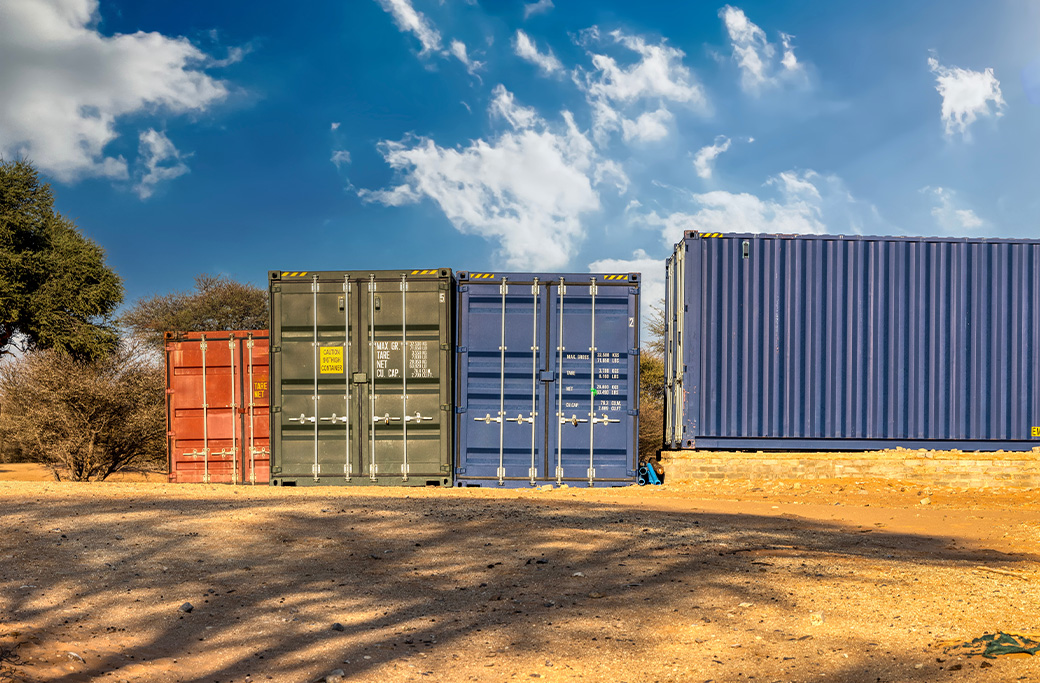
The size of your mobile unit depends on the number of people in your group and the duration of the emergency you are preparing for. Account for any special needs or comfort items. Choose between steel containers for long-term durability, and lighter options for seasonal rotation of supplies.
Organizing Your Supplies
Efficiently organizing and storing your supplies is pivotal. It is essential to include important documents and personal documents in your storage plan, as these are essential for identification, insurance, medical, and legal needs during emergencies. Group items by category, prioritize based on need, and clearly label containers. Critical documents should be stored in a waterproof and portable container, with encrypted digital backups for added security. When preparing a go-bag for rapid evacuation, make sure to include personal documents along with essentials like water, food, and medical supplies. Consider various container types within your unit, like airtight bins for dry good storage and durable cases for equipment.
Rotating and Maintaining Stock
Preparedness is a dynamic process. Regularly check expiration dates, the functionality of equipment, and the integrity of your supplies. A well-maintained stock guarantees that you are consistently ready for any disaster eventuality.
Community and Networking
While doomsday prepping often conjures images of rugged self-reliance, the reality is that community and networking are just as vital to true emergency preparedness. In the face of natural disasters or prolonged emergencies, even the most well-stocked doomsday prepper can benefit from the collective strength of a supportive network. Building relationships with other preppers in your area or online can open doors to valuable resources, shared supplies, and a wealth of practical knowledge that might otherwise be out of reach.
Connecting with like-minded individuals allows you to exchange ideas, learn new survival skills, and even coordinate group efforts for greater security and efficiency. Whether it’s pooling emergency supplies, organizing neighborhood watch systems, or simply sharing tips on stockpiling food and water, a strong network can make all the difference when disaster strikes. Local prepper groups, community workshops, and online forums are excellent places to start building these connections.
Remember, emergency preparedness isn’t just about what you have stored in your onsite unit; it’s also about who you can rely on when times get tough. By investing in your community and fostering relationships with fellow doomsday preppers, you’re not only increasing your own resilience but also contributing to the safety and well-being of those around you. In challenging times, a united front can turn potential threats into opportunities for mutual support and survival.
Onsite Storage for Doomsday Prepping
Utilizing an onsite mobile storage unit for doomsday prepping epitomizes the adage ‘hope for the best, prepare for the worst.’ In uncertain times, the control we have over our own readiness is invaluable. Financial preparedness is a fundamental part of your strategy; build an emergency fund, review your insurance coverage, and consider holding precious metals and barter items as alternative assets to protect your wealth and security in the event of an economic collapse.
Remember, your prepping journey is an ongoing process that builds resilience and self-sufficiency over time. Community building is equally important, as strong networks enhance your ability to withstand and recover from disasters.
By incorporating the mobile storage advantage into your prepper’s arsenal, you can enjoy the convenience, security, and organization that will keep you resilient in the face of any disaster. With Mobile Storage, you can begin your journey towards comprehensive doomsday preparedness today. Take stock, make a plan, and invest in the tools and resources that will safeguard your future. As we have learned, a well-thought-out strategy paired with the right equipment can turn doomsday prepping from a daunting concept into an achievable reality. Remember, by preparing for the worst, you’re ensuring that you and your loved ones can still aim for the best, no matter what unfolds in the world around you. Call us at Mobile Storage today to learn more about our onsite mobile storage and how we can help you on your journey towards being a confident and prepared prepper. Let us be your partners in preparation. Together, we’ll ensure that you’re ready for whatever life throws your way.